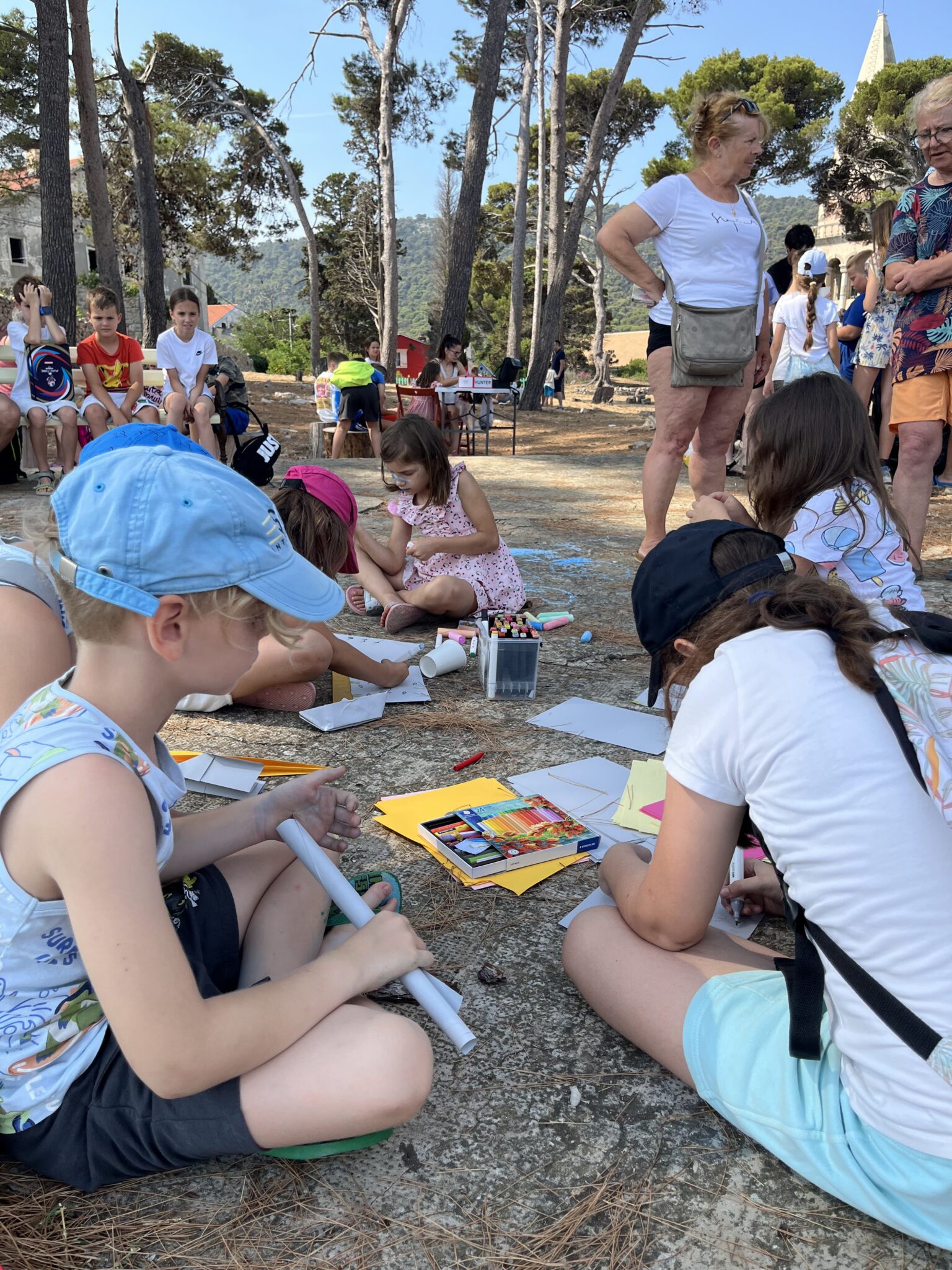
We celebrated the 34th Dolphin Day!
On Wednesday, July 1st, we marked our traditional Dolphin Day....

18.02.2026
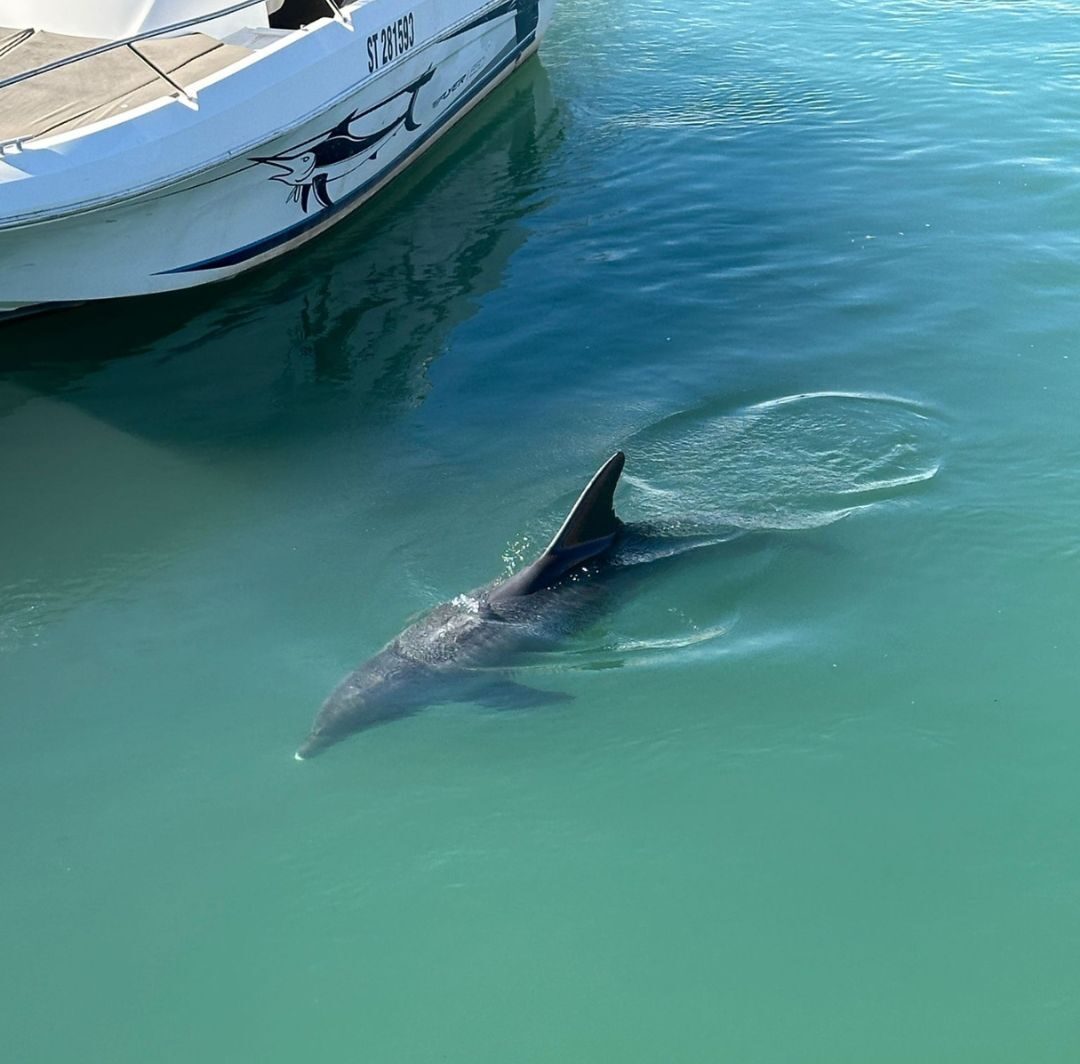
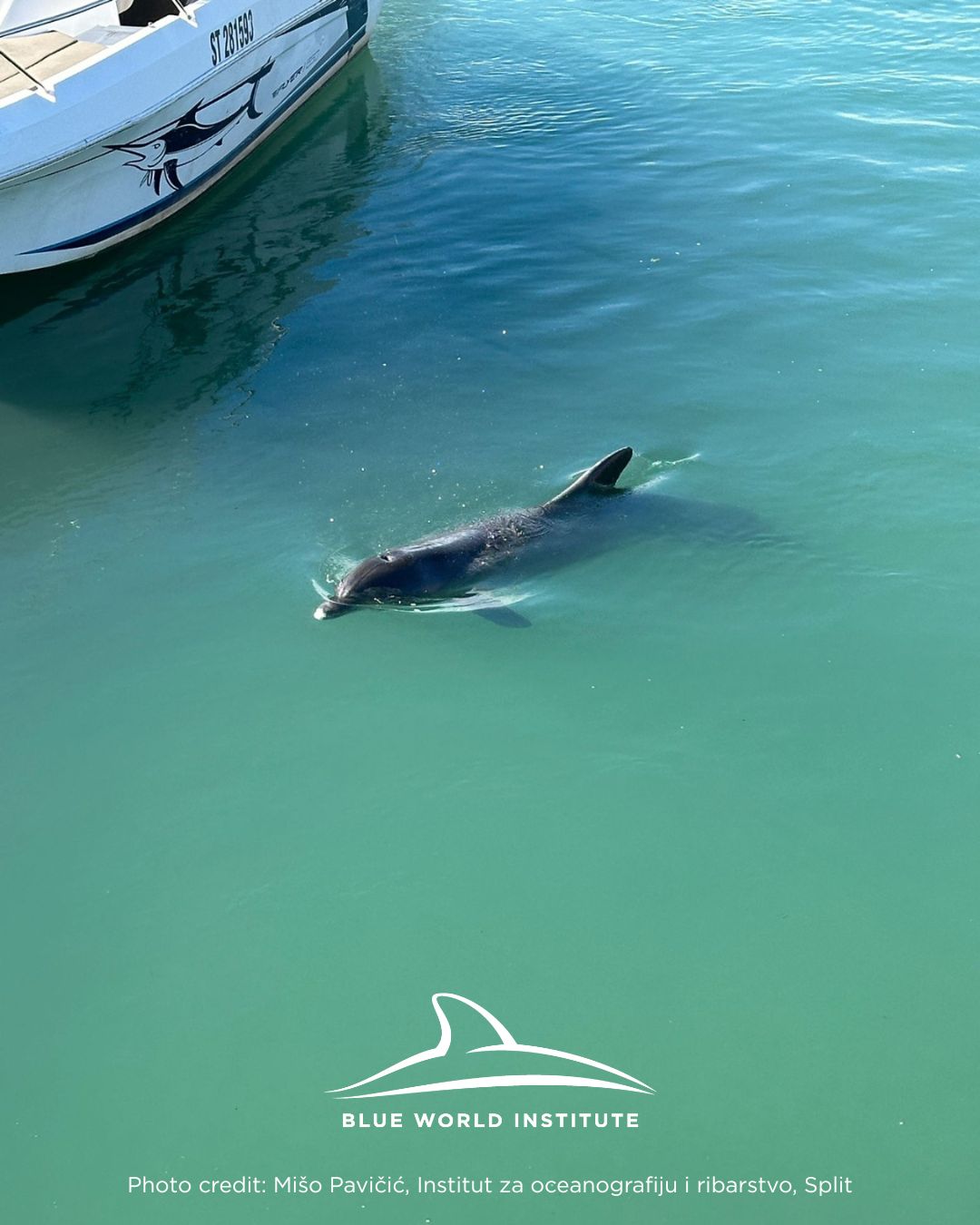
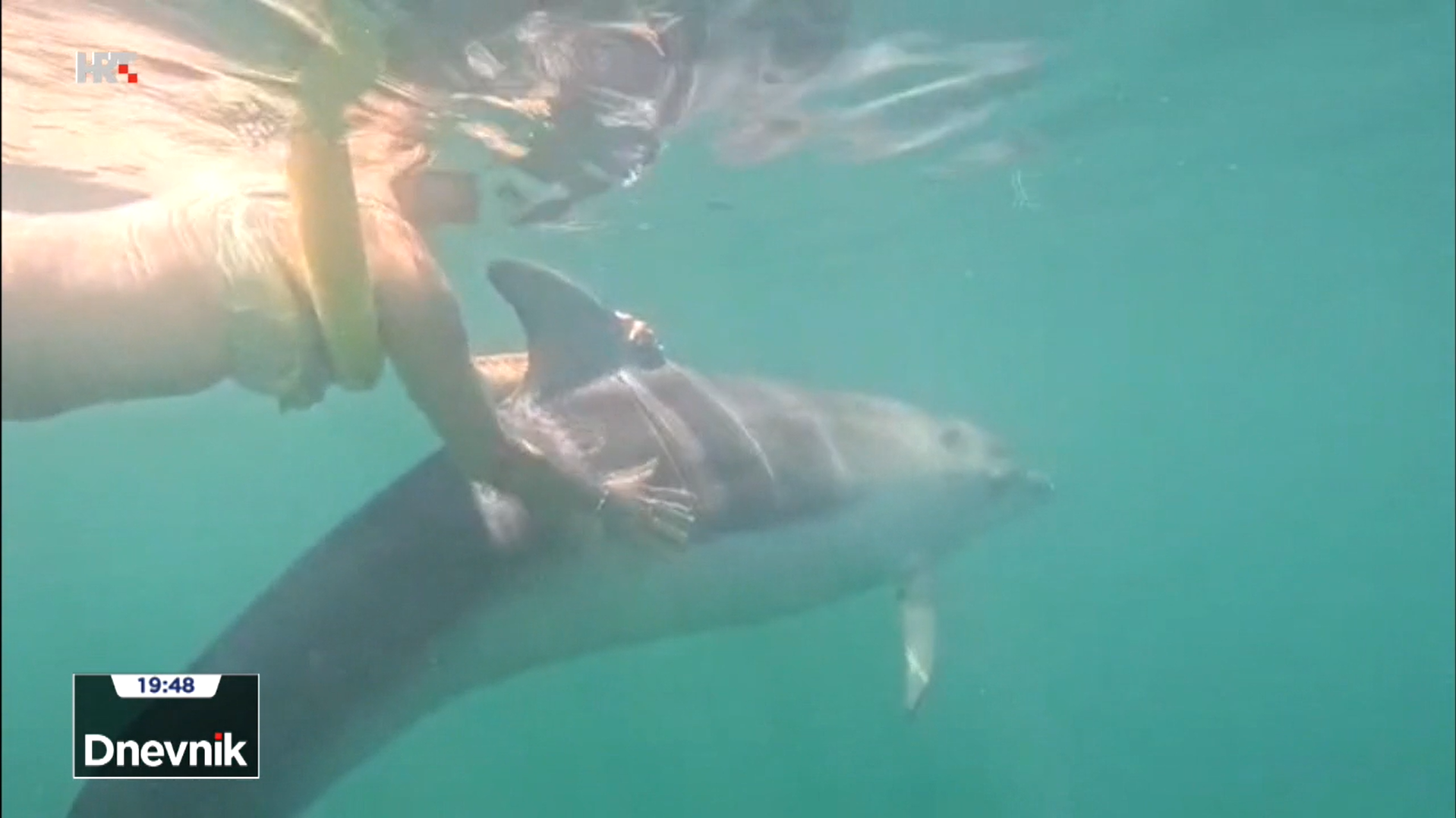
In the Jadro River near Split, on 18 February 2026, a bottlenose dolphin (Tursiops truncatus) was sighted. The dolphin’s appearance in the river has attracted considerable interest and raised questions as to why it entered the river.
Bottlenose dolphins are an exceptionally adaptable and opportunistic species, inhabiting a wide range of environments, from the open ocean to coastal areas and estuaries. Moreover, numerous sightings in rivers have been recorded and described to date, sometimes several dozen kilometres upstream, including rivers in the Adriatic basin such as the Bojana and the Po. Researchers from the Blue World Institute have documented sightings in the Krka and Zrmanja rivers. Therefore, the dolphin’s presence in the Jadro is not unusual for this species.
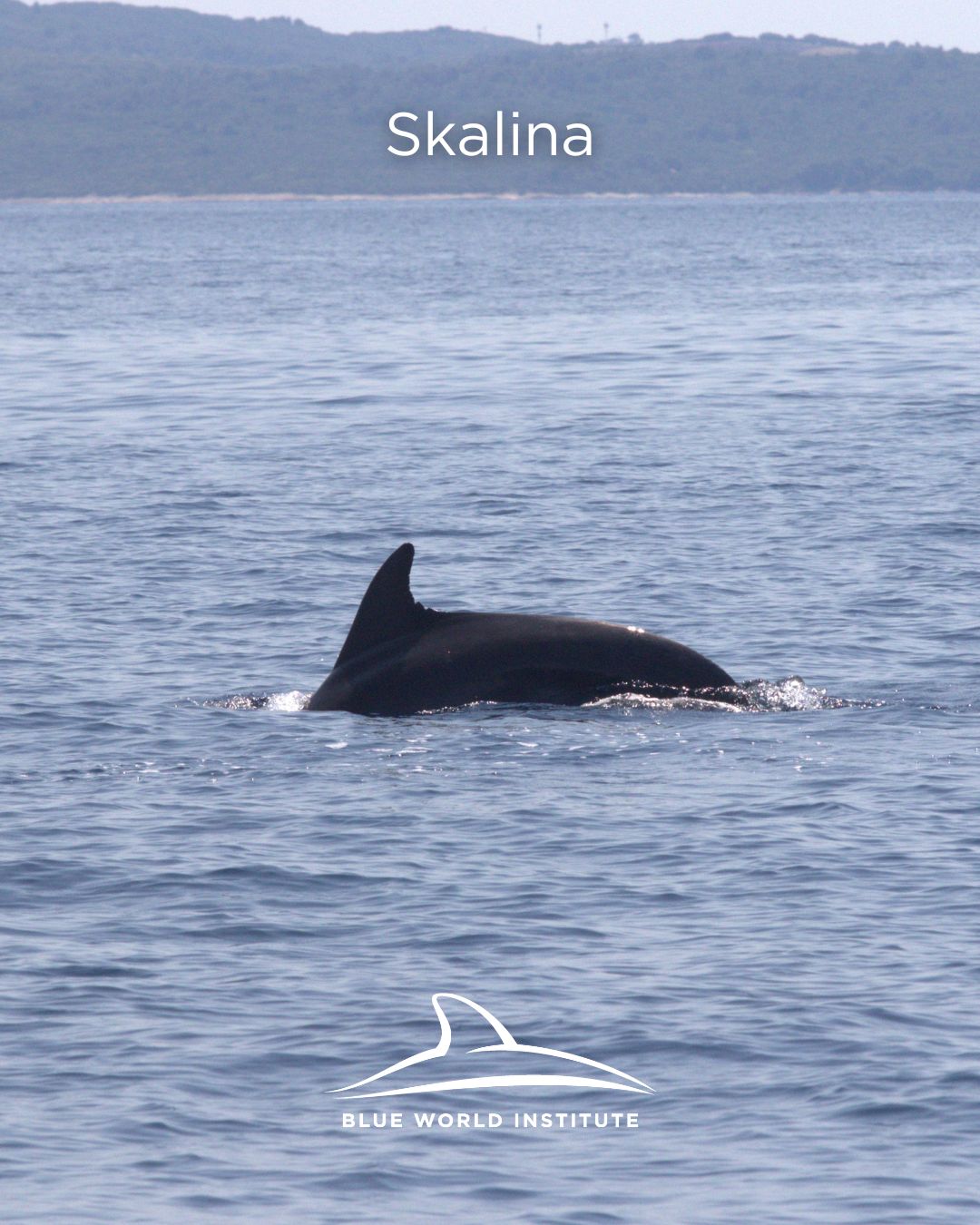
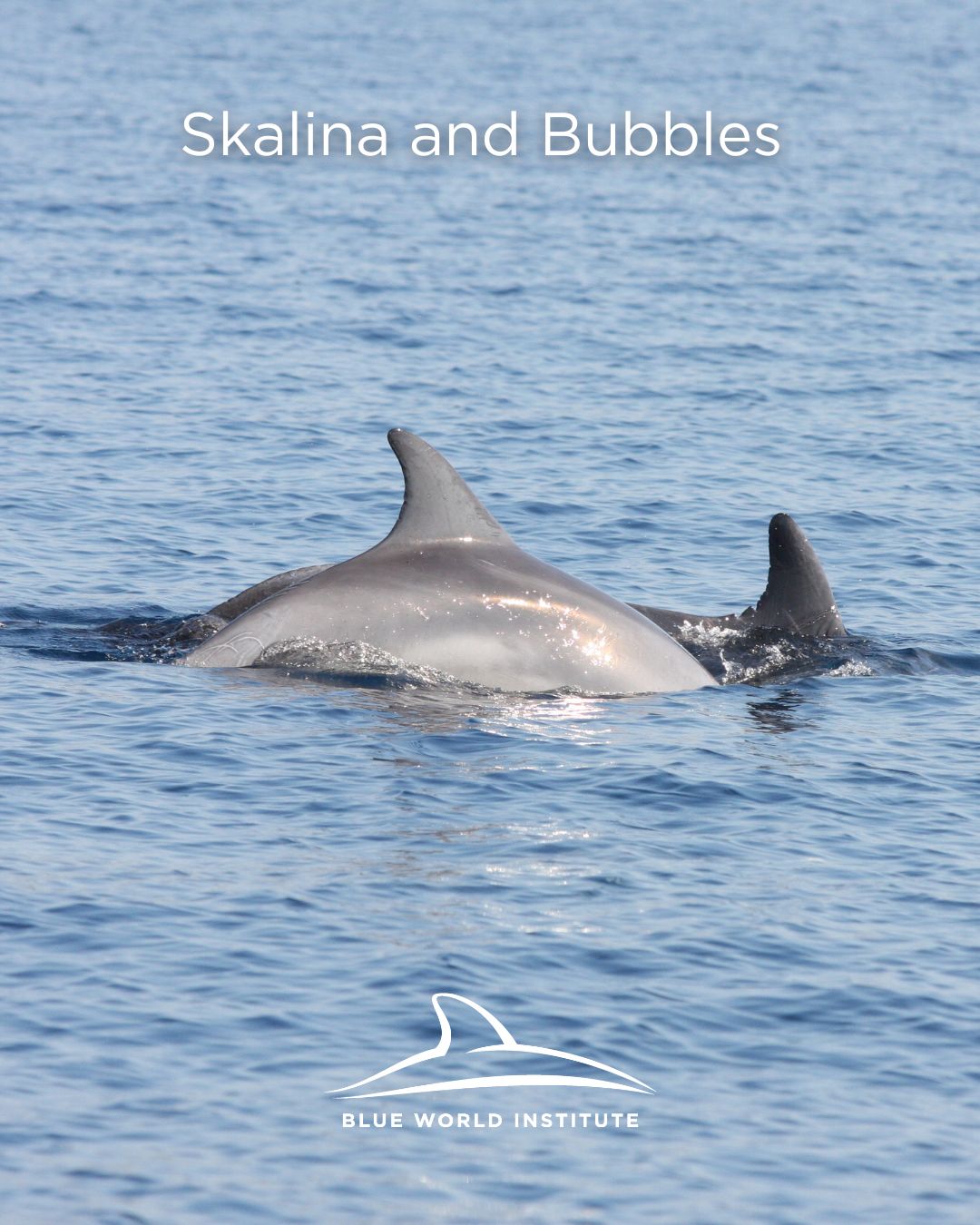
By comparing the photographs and video footage we received with the Blue World Institute’s catalogue, we recognised an old acquaintance — the female bottlenose dolphin Skalina. Skalina is an adult female whom we first observed in 2005. To date, we have recorded a total of 11 sightings of her. In 2014, Skalina had her first calf, named Bubbles, who has since been observed along the southern coast of Istria. In 2019, she had another calf, which has not yet been named and was last seen in 2023. Her closest companions are Sansego (with whom we have observed her on five occasions) and Bonbon, also a female, likely of a similar age. Skalina has been seen in association with more than 260 other dolphins in total, and her sightings have ranged from Kamenjak in Istria and the western side of Cres all the way to Kvarnerić and Veli Lošinj. Her movements recorded to date have generally been within an area of around 100 km between the two most distant points. In this case, however, Skalina has been sighted almost 200 km from the southernmost point of her previous observations.
We are able to tell Skalina’s story thanks to photo-identification — monitoring and identifying dolphins through photographs of their dorsal fins. The Blue World Institute’s catalogue is the largest catalogue of individually identified bottlenose dolphins in the Mediterranean, currently containing 5.055 individuals. In order to improve our knowledge and gain a better understanding of bottlenose dolphin movements in the Adriatic, reporting sightings — particularly when supported by good-quality photographs or video footage — is extremely valuable and represents an excellent example of how citizen science can complement research results. We therefore encourage you, if you see Skaline or other dolphins, to report your sighting via the free Marine Ranger mobile app, through our Facebook page, or by email at info@plavi-svijet.org.
As Skalina, despite swimming in freshwater, is behaving normally and appears healthy, we believe that no intervention is currently necessary. To avoid the risk of injury or stranding, we kindly ask anyone who may find themselves near her not to approach her, not to attempt to “guide” her out of the river, not to feed her, and not to engage in similar activities.
We would like to thank everyone who took part in the exchange of information: Croatian Natural History Museum, the Institute of Oceanography and Fisheries in Split, the Faculty of Veterinary Medicine in Zagreb, the Krš i More Public Institution, the Veterinary Inspectorate in Split, and the Ministry of Environmental Protection and Green Transition.
On Wednesday, July 1st, we marked our traditional Dolphin Day....
Over the past few weeks, we have reviewed numerous photographs...
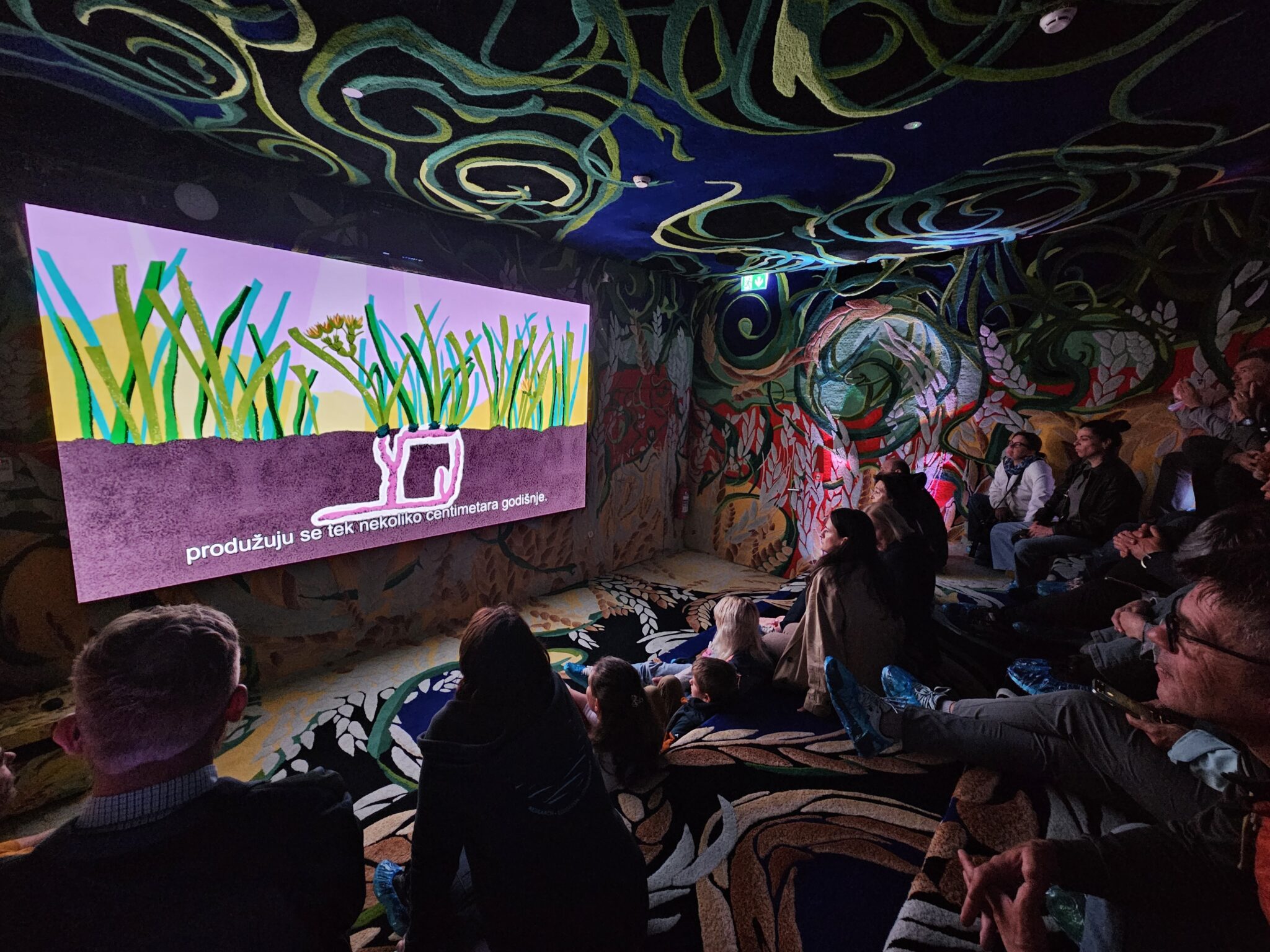
On 15 May, the Blue World Institute marked Posidonia Day...
Yesterday a blue shark (Prionace glauca) was seen in the...
