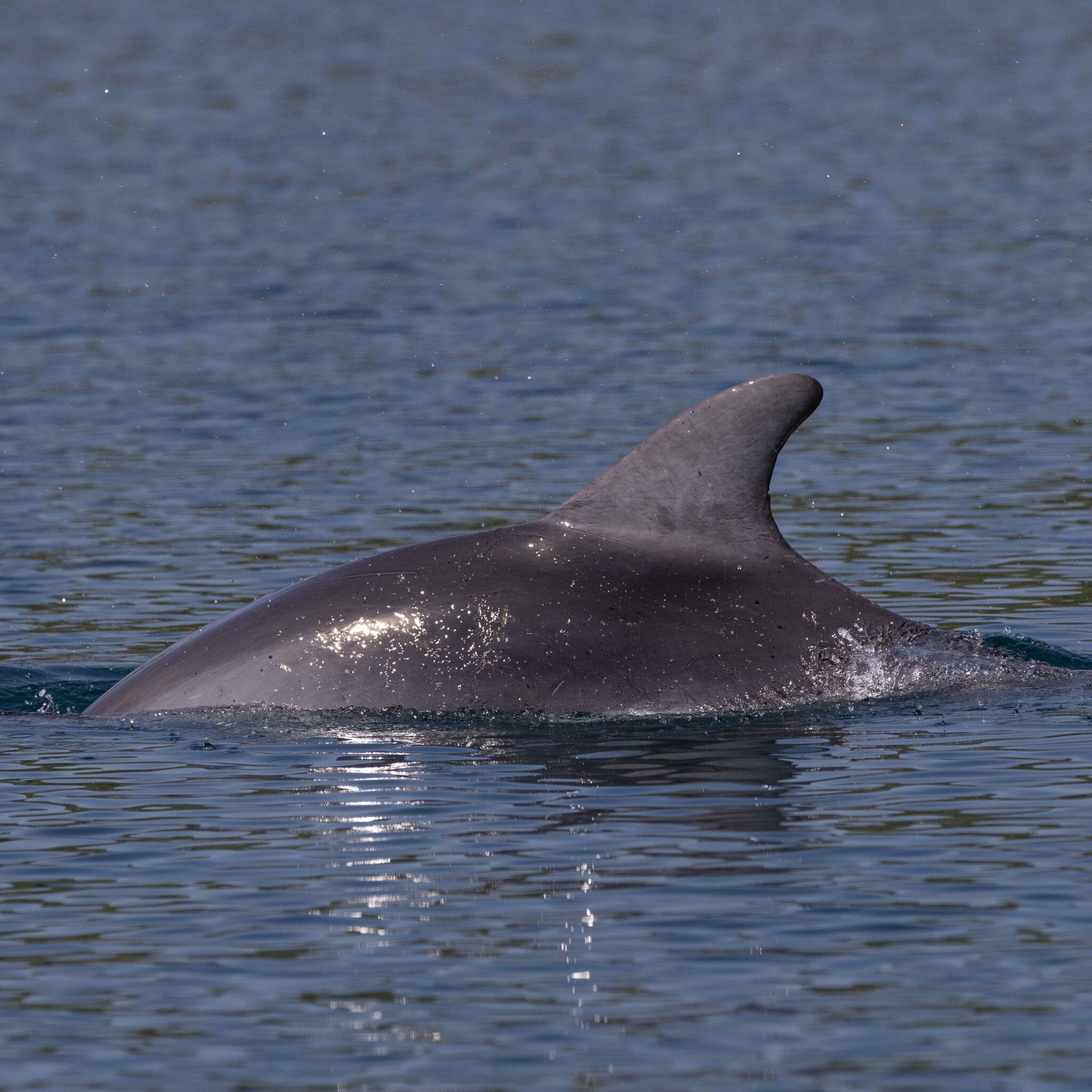
DO NOT SWIM WITH OLIVER
Keep your distance, for his safety and yours Following a...

07.08.2026
The international aerial survey of the abundance of whales, dolphins and sea turtles in the Adriatic Sea began on 31 July 2026. The research team conducted its first flights in the area of the Strait of Otranto and the southern Adriatic, operating from Brindisi Airport, where they were based during the first three days of the survey. The team then moved to Dubrovnik, from where aerial surveys of the southern and central Adriatic continued.
So far, the team has completed a total of 40 survey flights across the Adriatic Sea. Due to the forecast change in weather conditions, the research aircraft is currently located on the island of Lošinj, from where the survey will continue in the northern Adriatic.
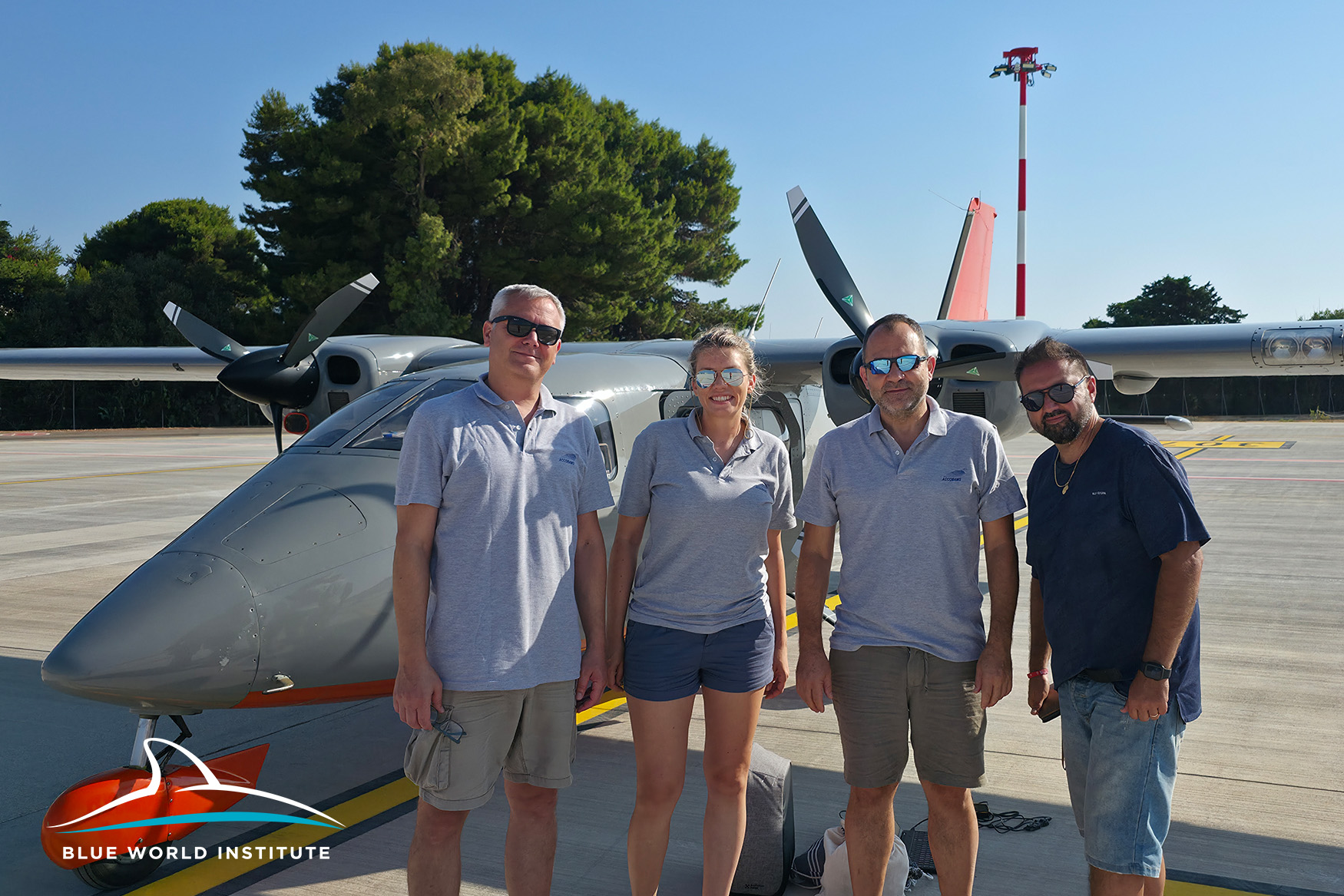
Research team, aerial survey 2026.
The Adriatic survey is being conducted by a team of scientists coordinated by the Blue World Institute, Blue World Vis, with the participation of scientists from the Croatian Natural History Museum. The Adriatic survey coordinator is Associate Professor Dr Draško Holcer from the Croatian Natural History Museum. The research team also includes Assistant Professor Dr Grgur Pleslić from the Blue World Institute and Maša Frleta-Valić, MSc in Ecology, from Blue World Vis.
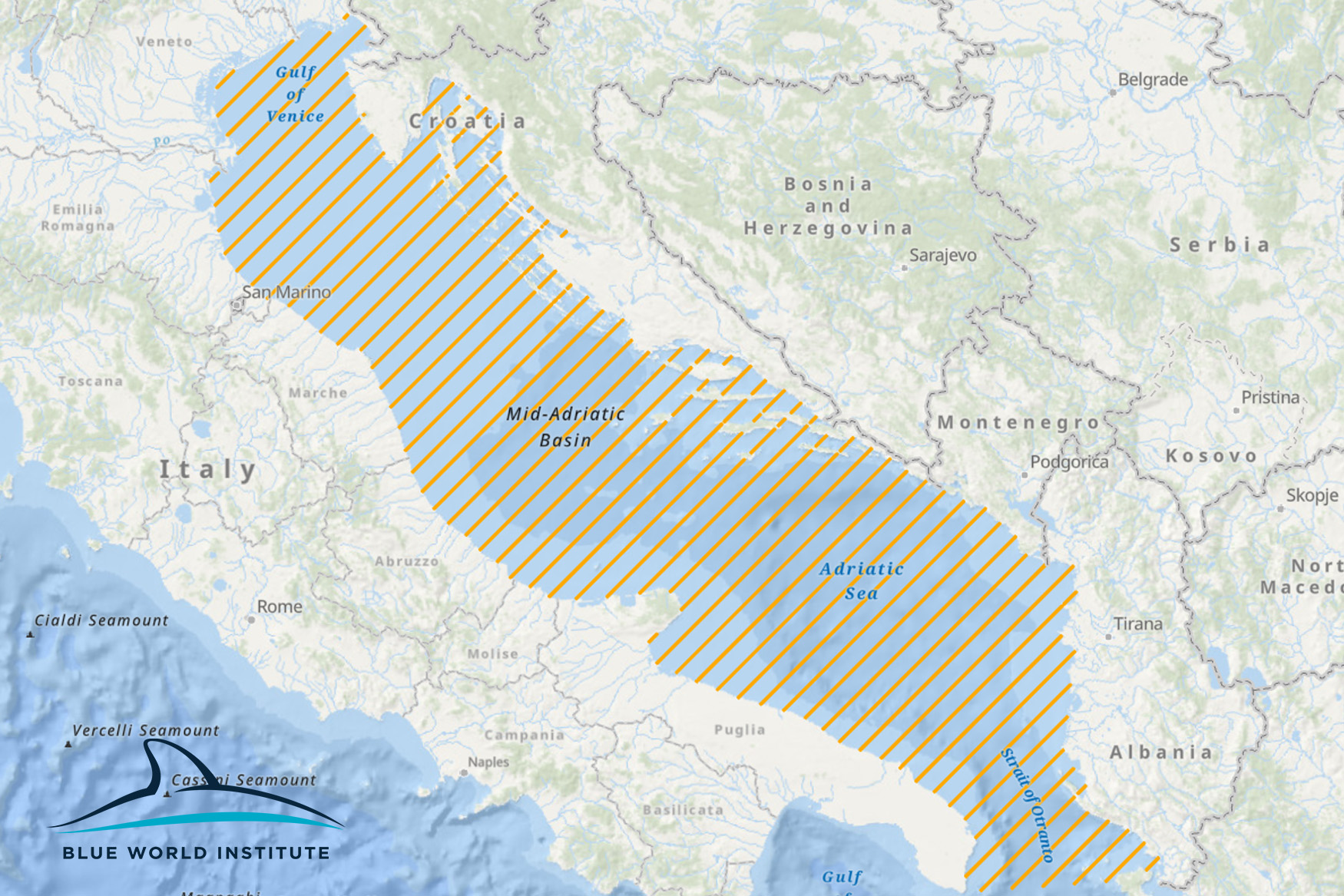
Adriatic survey flight lines during the 2026 survey.
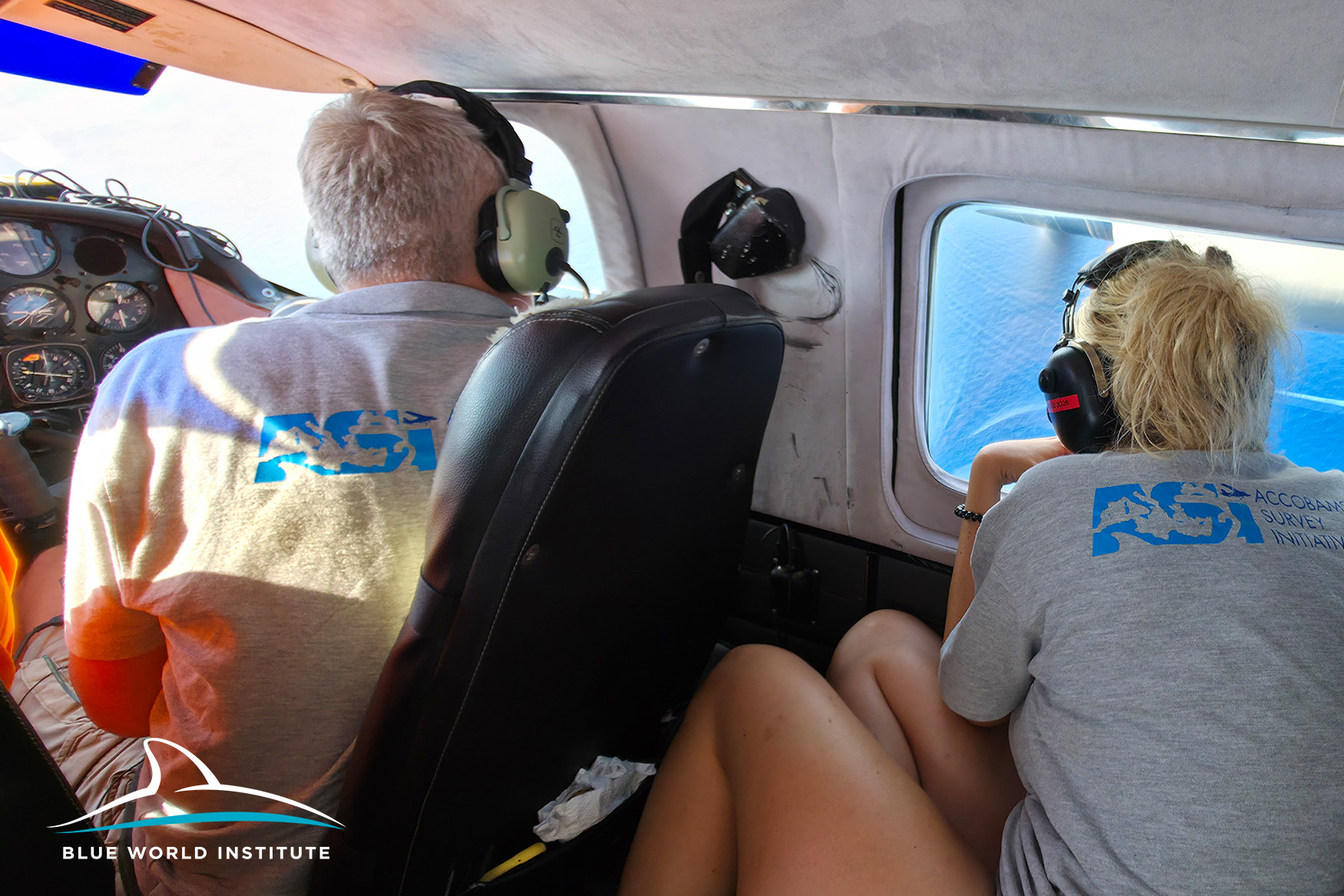
“We are conducting the survey according to internationally accepted aerial distance sampling methodology. The aircraft follows predetermined flight transects (15 kilometres apart in the Adriatic), and whenever animals are observed, their distance from the flight line is recorded. During data analysis, abundance is estimated within the surveyed area and the final total abundance for the entire study area is calculated. The use of a standardised methodology ensures systematic coverage of the entire Adriatic Sea and the collection of comparable data across the entire survey area,” says Dr Holcer.
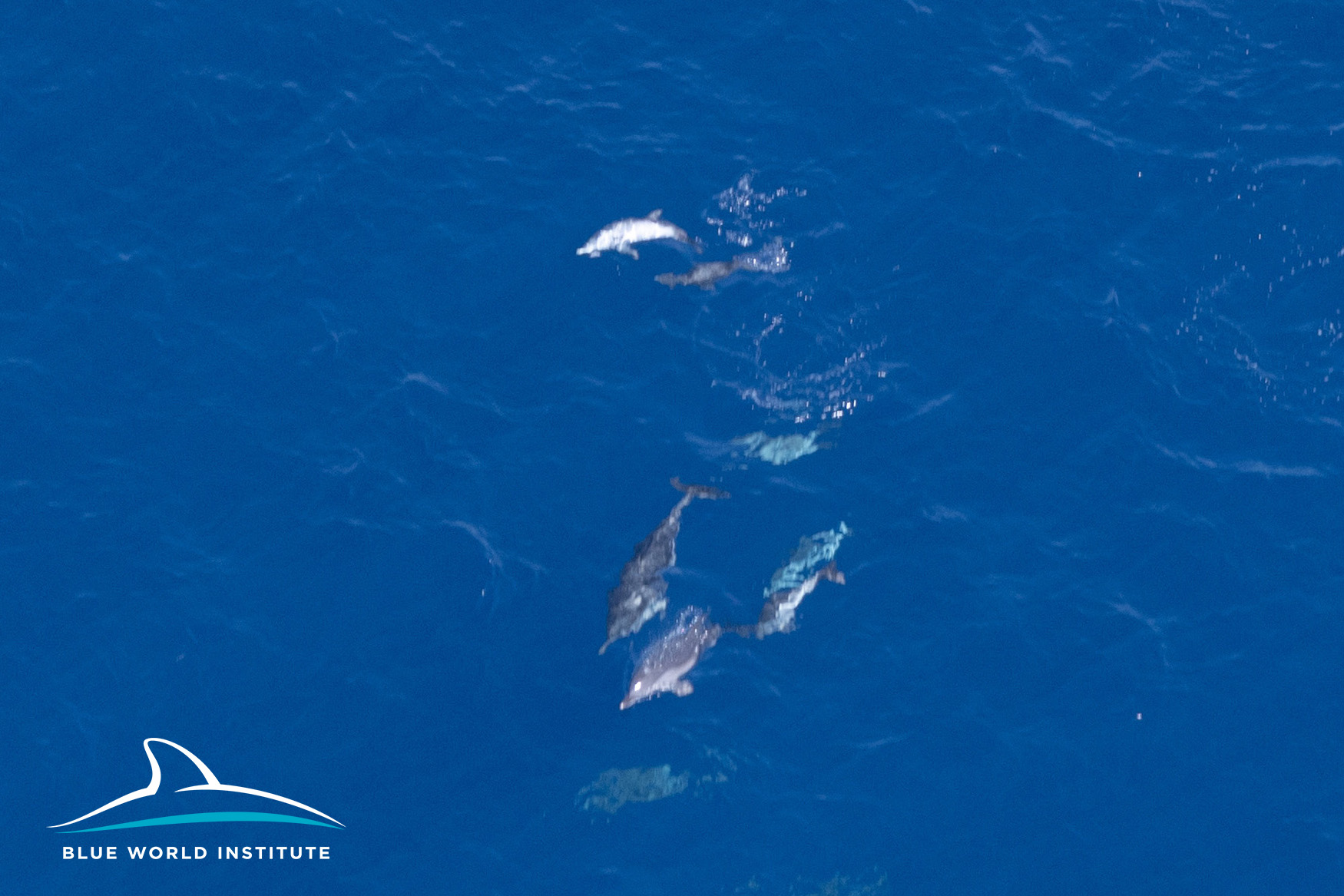
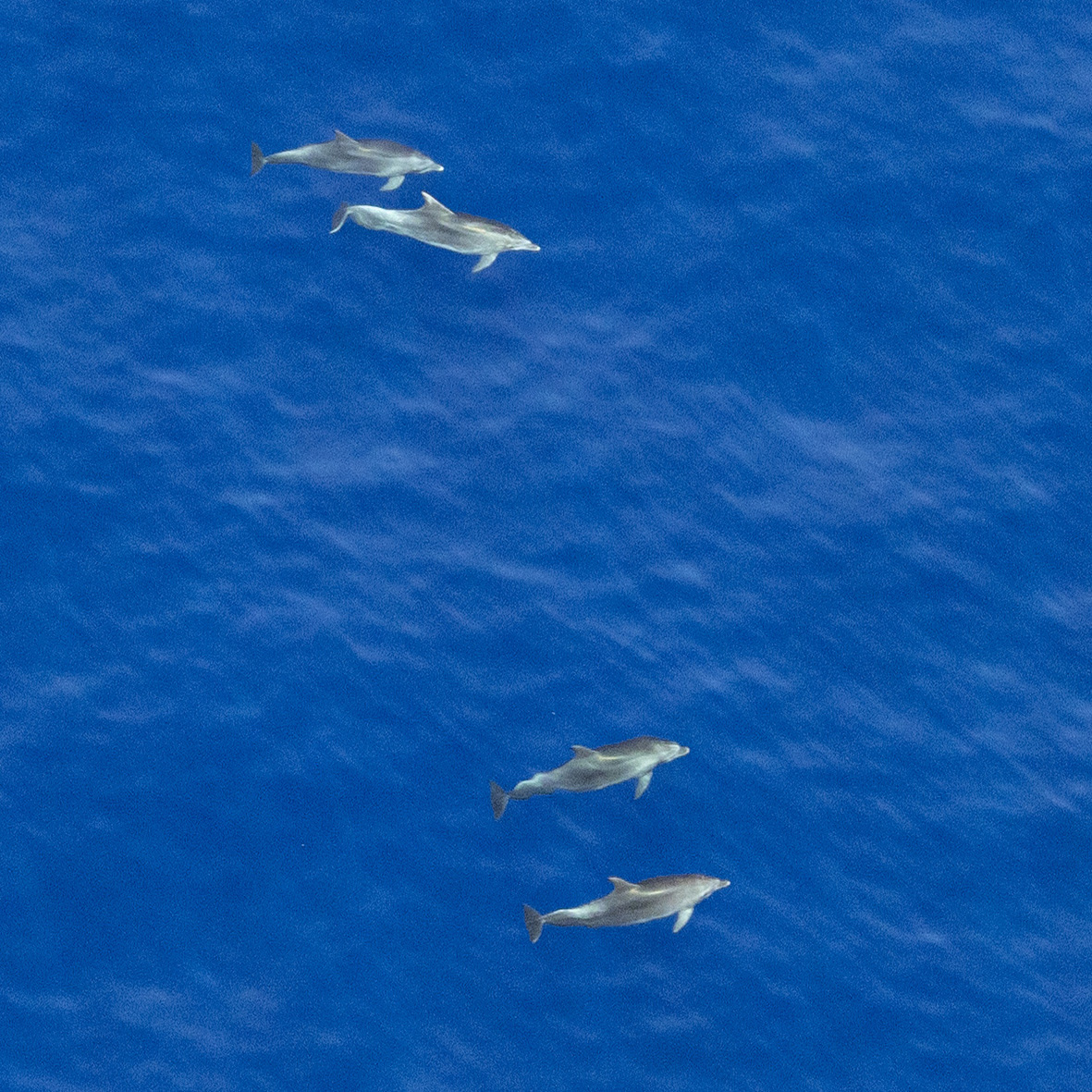
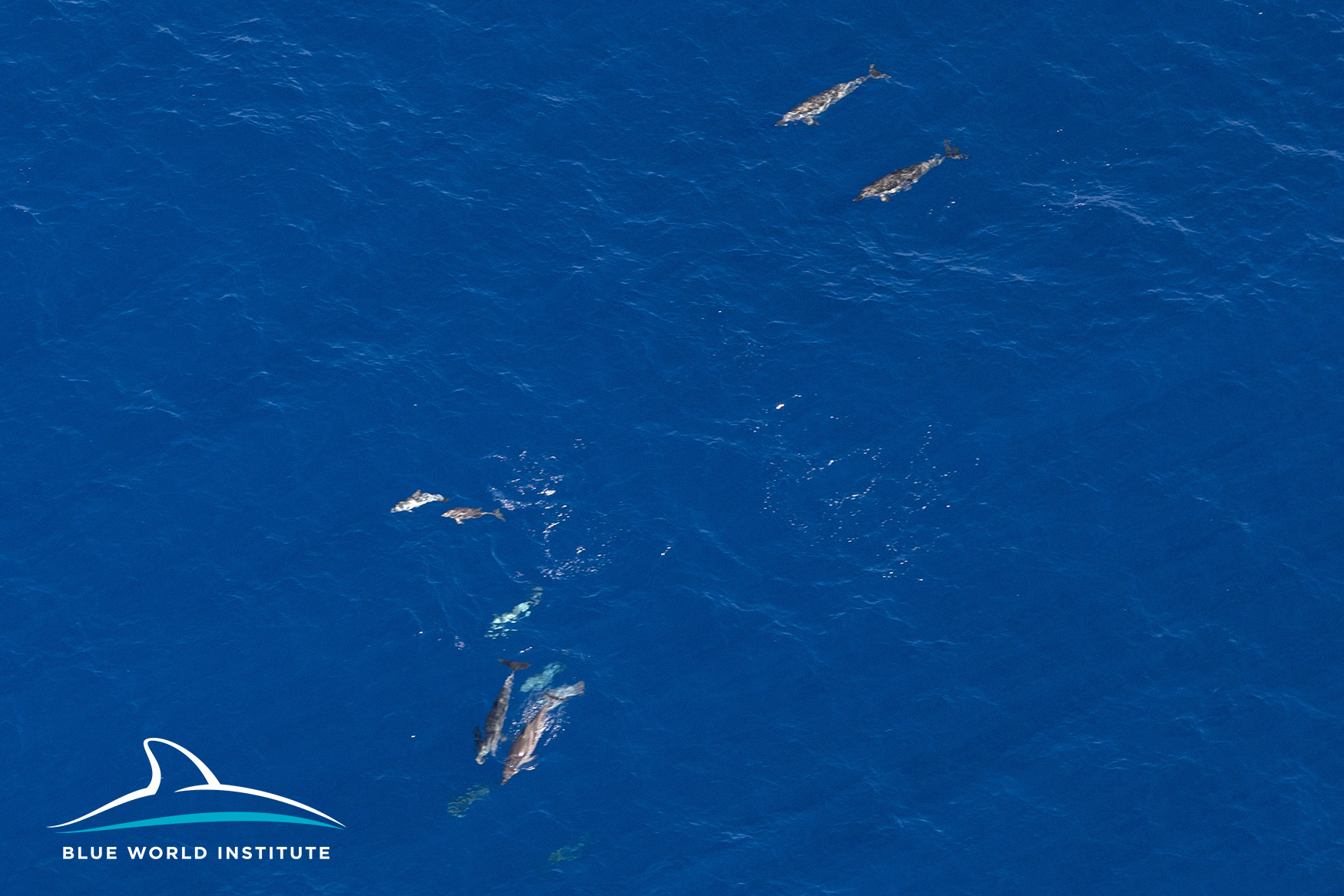
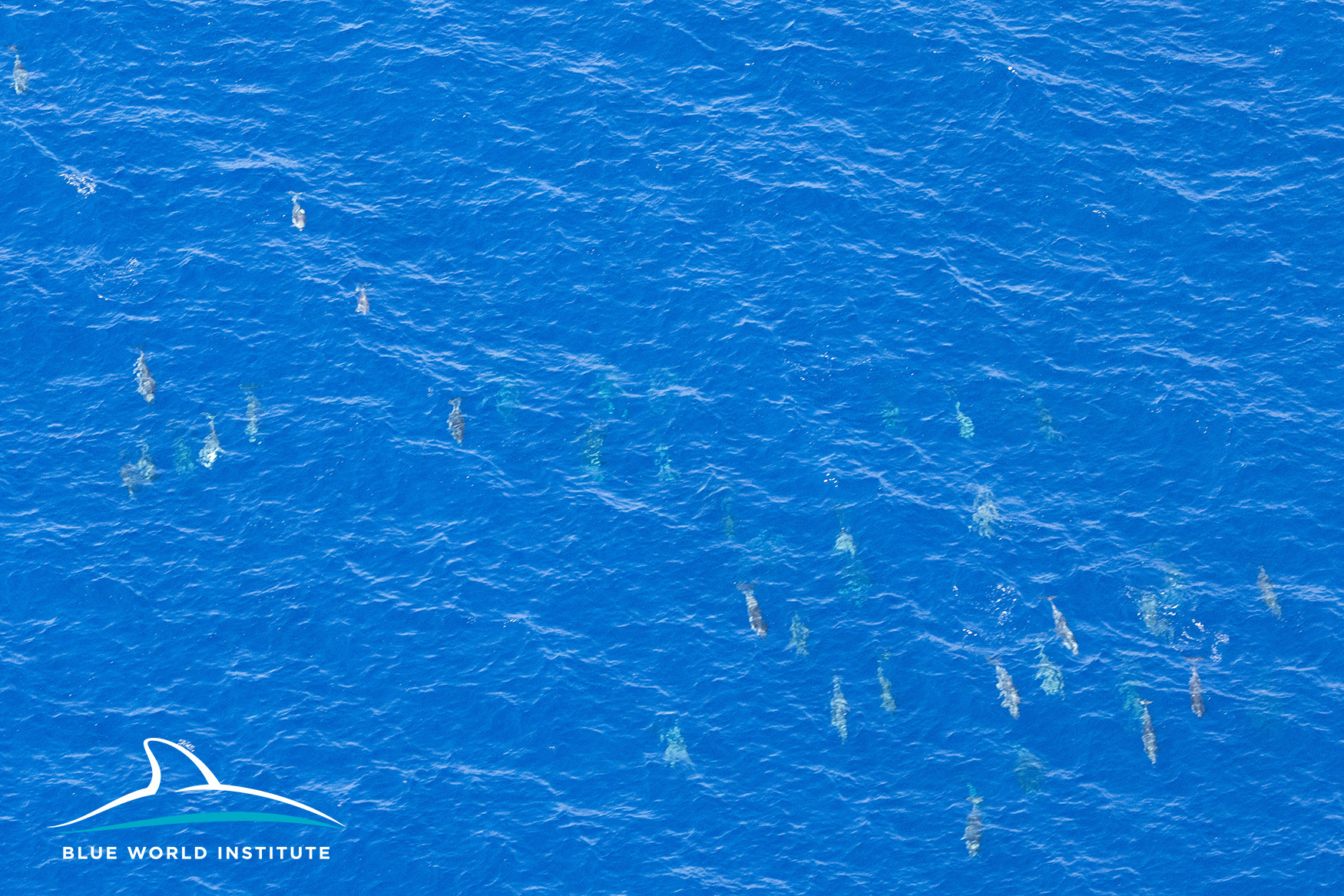
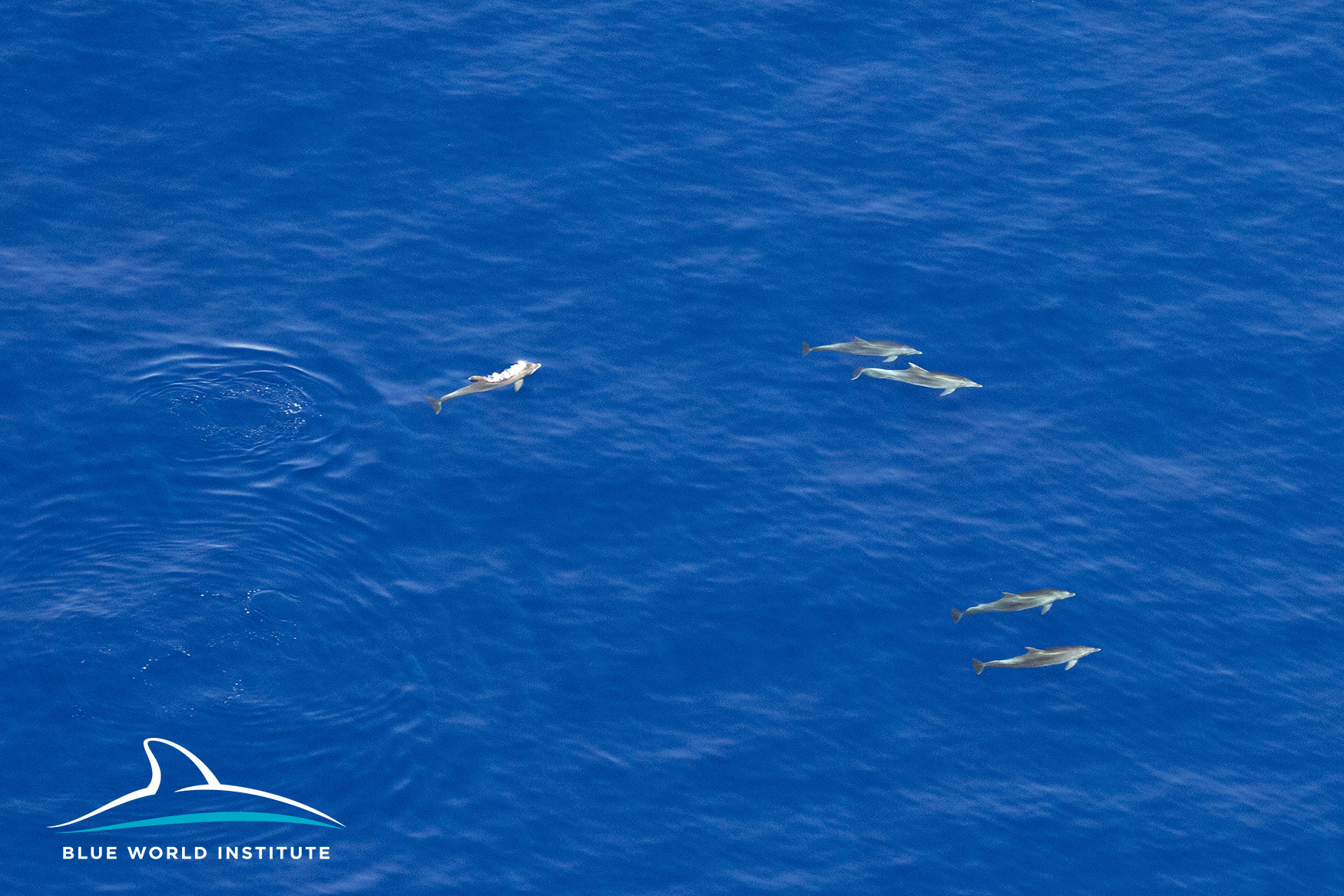
Striped dolphins, southern Adriatic, 2026.
The Croatian part of the survey is being conducted within the project “Priroda na oku – Monitoring the Conservation Status of Species and Habitat Types”, implemented by the Ministry of Environmental Protection and Green Transition, the Institute for Environment and Nature, with co-financing from European Union funds. The project contributes to fulfilling the obligations of the Republic of Croatia under the Habitats Directive (HD).
The Italian part of the survey is conducted by ISPRA – Istituto Superiore per la Protezione e la Ricerca Ambientale as part of Italy’s official national monitoring programme under the Marine Strategy Framework Directive (MSFD) and the LIFE MareNatura project, led and coordinated by Mr Giancarlo Lauriano from ISPRA.
Both national programmes contribute to the international obligations of Croatia and Italy within the framework of the ACCOBAMS and the ACCOBAMS Survey Initiative (ASI).
ASI is an international initiative of ACCOBAMS through which coordinated and simultaneous data collection on the abundance and distribution of whales, dolphins (Cetacea) and other large marine vertebrates is carried out across the Mediterranean Sea and Black Sea. This year, the initiative is being implemented for the second time.
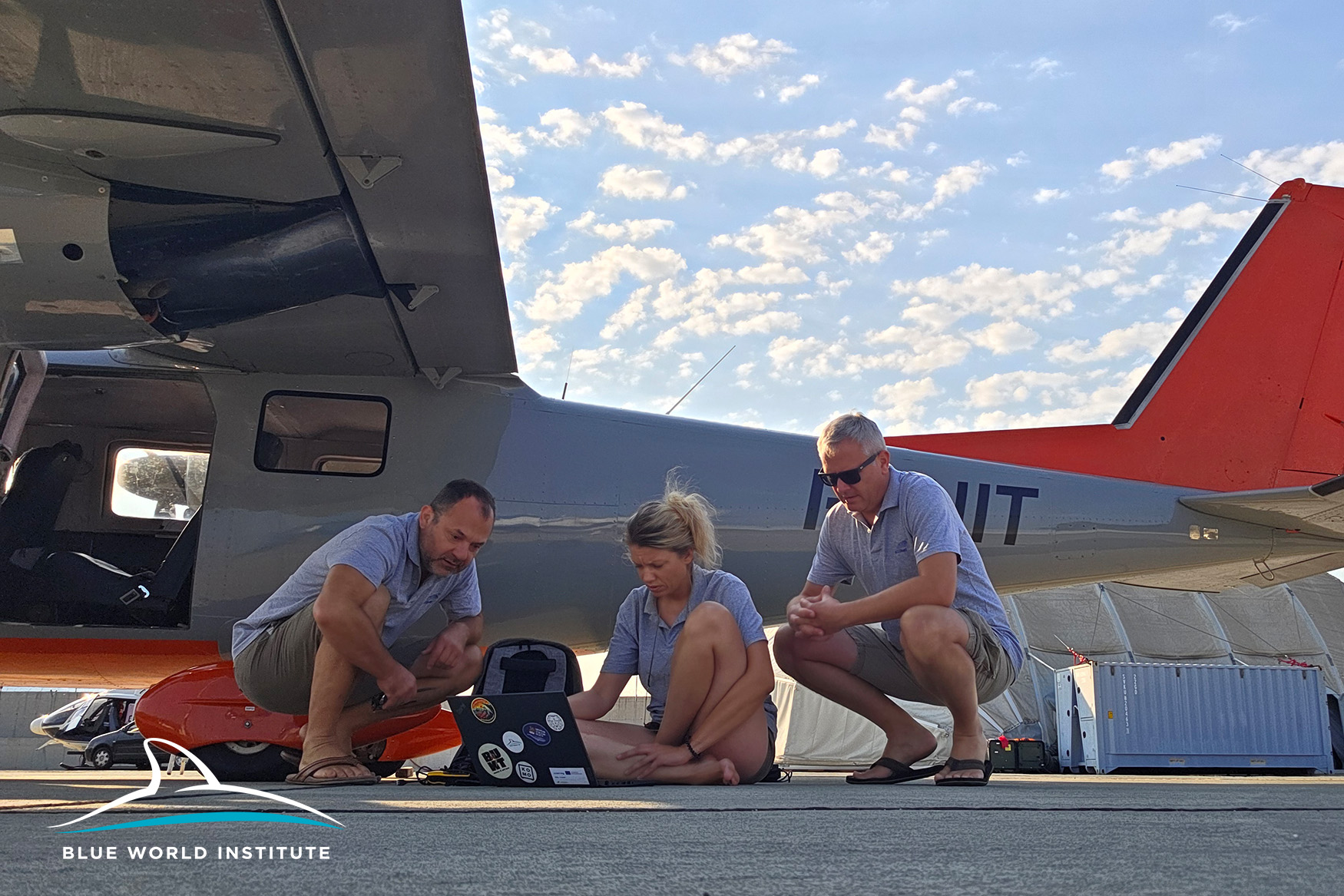
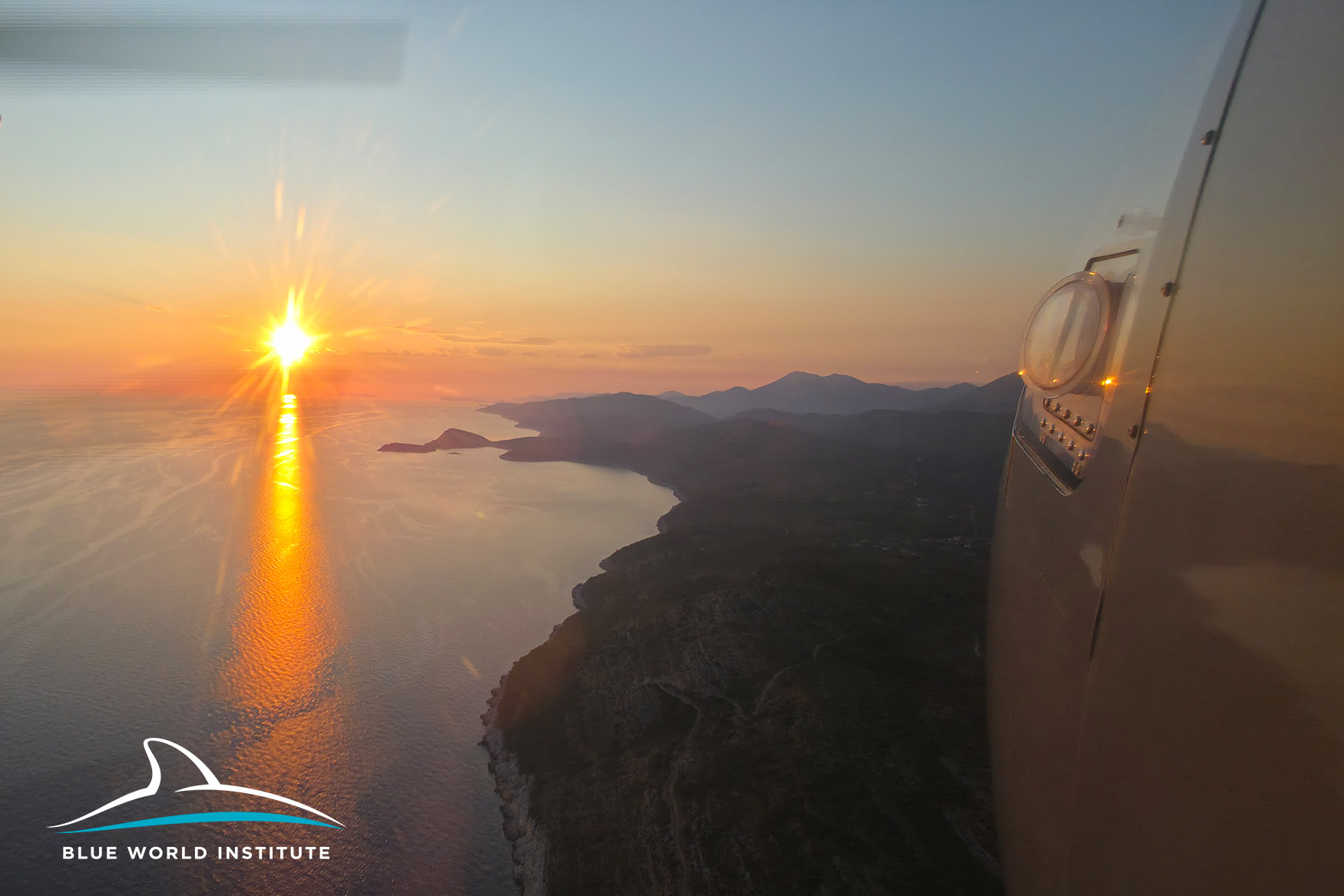
Preparation for take-off, aerial survey 2026.
“During July and August, the ASI II programme is being carried out throughout the Mediterranean Sea. Due to the specific characteristics of individual areas and the need to determine the abundance and presence of species that occur in low numbers in the Mediterranean, such as the sperm whale and Cuvier’s beaked whale, the survey combines aerial observations with vessel-based surveys using acoustic methods to record whale vocalisations. This year, in addition to participating in the Adriatic survey, I also took part in aerial surveys in the Ionian Sea, which were conducted during July,” says Ms Frleta-Valić.
Cooperation between the Blue World Institute, ISPRA and the Croatian Natural History Museum on aerial surveys has been ongoing since 2010, when the first surveys covering the entire Adriatic Sea were conducted. These surveys were repeated in 2013. They provided, for the first time, estimates of the abundance and distribution of bottlenose dolphins (Tursiops truncatus) and other cetacean species at the scale of the entire Adriatic Sea, establishing the foundations for long-term monitoring of these protected species.
“Our insistence on conducting joint surveys covering the entire Adriatic Sea is based on the fact that large marine vertebrates do not recognise national borders. Dolphins observed today on the Croatian side may be in Italian waters tomorrow. Implementing multiple separate monitoring programmes at the Adriatic scale would significantly reduce our ability to understand actual changes in population abundance and habitat use,” adds Dr Holcer, who has led these surveys from the very beginning.
Following a similar approach, in 2018 the first survey covering the entire Mediterranean Sea was conducted within the framework of the ACCOBAMS Survey Initiative (ASI-1), including the Adriatic Sea. During 2019 and 2020, additional surveys of the northern and central Adriatic were carried out within the LIFE Euroturtles project, while in 2021 and 2022 surveys again covered the entire Adriatic Sea.
“Thanks to the continuous series of surveys conducted since 2010, the Adriatic Sea is currently the area of the Mediterranean where the abundance and distribution of cetaceans (Cetacea) and sea turtles are best monitored, primarily due to the largest number of completed surveys and the greatest total area covered by research flights,” stated Dr Pleslić.
The data collected during this survey will contribute to national monitoring programmes, international reporting obligations and regional analyses within the framework of the ASI-II initiative. Together with results from previous surveys, these data will enable continuous monitoring of population status at the level of the Adriatic Sea and the wider Mediterranean, contributing to more effective conservation and management of marine species and ecosystems.
———————————————————-
About the Blue World Institute
The Blue World Institute for Marine Research and Conservation is a Croatian non-profit, non-governmental organisation based on the island of Lošinj. Our work covers the entire Adriatic Sea, with a primary focus on research of large marine vertebrates – whales, dolphins, sea turtles and cartilaginous fish. Our activities aim to conserve marine biodiversity, raise public awareness, protect the marine environment as a whole and support sustainable development. Through our work, we strive for excellence through three main programmes – research, education and conservation.
BLUE WORLD INSTITUTE FOR MARINE RESEARCH AND CONSERVATION
Kaštel 24
51551 Veli Lošinj
Croatia
info@blue-world.org
Tel: +385 (0)51 604 666
www.blue-world.org
Blue World Institute Facebook page
Keep your distance, for his safety and yours Following a...

On Wednesday, July 1st, we marked our traditional Dolphin Day....
Over the past few weeks, we have reviewed numerous photographs...
On 15 May, the Blue World Institute marked Posidonia Day...
